
Favorite Fire Restoration Tools For Fast and Reliable Results
Identify trusted tools and products that accelerate fire damage recovery while ensuring quality outcomes.
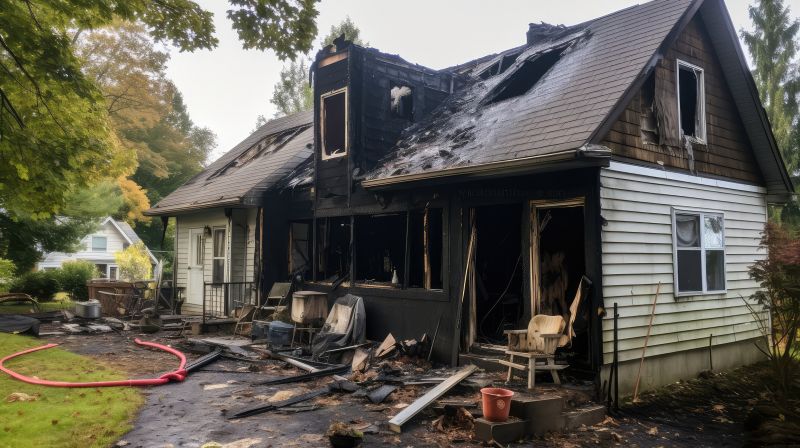 Fire restoration products are essential tools and materials used to address the aftermath of fire damage in residential, commercial, and industrial settings. These products help mitigate further damage, restore structural integrity, and improve indoor air quality. Commonly used items include specialized cleaning agents, odor removal solutions, fire-resistant barriers, and moisture control materials. Proper selection and application of these products can significantly impact the efficiency and effectiveness of the restoration process.
Top Overall Option
Multi-Purpose Fire Damage Restoration Kit
A versatile kit that includes a range of cleaning agents, odor neutralizers, and protective barriers designed for comprehensive fire damage cleanup. It provides essential tools to address soot, smoke, and structural concerns with detailed instructions for effective application.
Types of Products For Fire Restorations
Soot and Smoke Cleaners
Specialized solutions formulated to remove soot and smoke residues from various surfaces, including walls, ceilings, and furniture.
Odor Neutralizers
Products designed to eliminate persistent smoke odors from indoor environments, often using enzyme or ozone technology.
Fire-Resistant Barriers
Materials that help prevent the spread of fire and smoke, providing added safety for repaired structures.
Structural Sealants
High-quality sealants used to reinforce and protect damaged surfaces, preventing further deterioration.
Moisture Control Products
Dehumidifiers and moisture absorbers critical for controlling humidity and preventing mold growth after fire damage.
Fire-Resistant Paints
Specialized coatings that add a protective layer to surfaces, enhancing fire resistance.
Cleaning Brushes and Tools
A variety of brushes, scrubbers, and applicators designed for effective cleaning of soot and residues.
Electrostatic Sprayers
Equipment used to evenly distribute cleaning solutions and disinfectants during restoration.
Air Purification Systems
Devices that improve indoor air quality by removing smoke particles and airborne contaminants.
Fireproof Drywall and Panels
Fire-resistant panels used to replace damaged drywall and improve safety in restored areas.
Protective Clothing and Gear
Personal protective equipment including masks, gloves, and suits to ensure safety during restoration work.
Water Damage Restoration Products
Materials and equipment to address water intrusion caused by firefighting efforts, including drying and mold prevention tools.
Popular Choices
Effective solutions for cleaning soot and smoke residues on various surfaces, trending for their ease of use.
Absorb and neutralize lingering smoke odors, commonly used in residential and commercial settings.
Popular for sealing cracks and vulnerable areas, enhancing fire safety in restoration projects.
Widely used to control moisture levels after fire damage, helping prevent mold growth.
Trending for their ability to evenly distribute disinfectants and cleaning solutions.
Portable and popular for continuous odor neutralization in affected areas.
In demand for structural repairs and safety enhancements during restoration.
Effective air filtration devices trending for improving indoor air quality post-fire.
Essential for safety during restoration work, increasingly popular in professional settings.
Widely used tools for manual cleaning of soot and residues, favored for their versatility.
Restoring a property after fire damage involves multiple steps, including soot and smoke removal, structural repairs, and odor elimination. Products designed for these tasks often feature advanced formulations that target specific issues such as greasy residues, charred surfaces, and lingering smoke odors. Using appropriate fire restoration products can help ensure a thorough cleanup, reduce health risks, and facilitate a safer environment for occupants and workers.
In addition to cleaning and odor control, fire restoration also requires materials that can prevent future damage. Fire-resistant barriers and sealants are commonly used to protect vulnerable areas and improve overall safety. Moisture control products are also critical, as excess moisture can lead to mold growth and further structural deterioration. Selecting the right combination of products depends on the extent of the damage, the materials involved, and the specific needs of the restoration project.
Professional restoration projects often involve a variety of specialized products tailored to different surfaces and damage types. Proper training and understanding of each product’s purpose and application are crucial for achieving optimal results. Whether dealing with soot cleanup, structural repairs, or odor neutralization, having a comprehensive set of fire restoration products can streamline the process and help restore properties efficiently and safely.
Key Buying Considerations
- Identify the specific type of damage, such as soot, smoke odor, or structural compromise, to select appropriate products.
- Check product compatibility with different surfaces and materials involved in the restoration process.
- Consider the safety data and instructions to ensure proper handling and application.
- Evaluate the ease of use and application methods, especially for DIY projects or professional use.
- Assess the effectiveness of odor neutralization solutions for persistent smoke smells.
- Determine the need for fire-resistant barriers or sealants based on safety requirements.
- Look for products that address moisture control to prevent mold and further deterioration.
- Review product reviews and ratings for insights into real-world performance.
- Consider environmental conditions such as humidity and temperature that may affect product efficacy.
- Ensure availability of necessary tools and accessories, like brushes, sprayers, or protective gear.
- Budget considerations should include the cost of multiple products needed for comprehensive restoration.
- Verify if the products are suitable for the extent of damage, from minor smoke stains to extensive structural repairs.
- Check for compliance with local safety and fire codes relevant to restoration work.
- Opt for products with clear application instructions and safety warnings.
- Consider the longevity and durability of repair materials for long-term safety and performance.